
Our Research
Yingshi Ouyang, PhD, is a research faculty member (assistant professor of pediatrics and of neurology tenure track) at the Developing Brain Institute and is a principal investigator at the Center for Prenatal, Neonatal and Maternal Health Research.
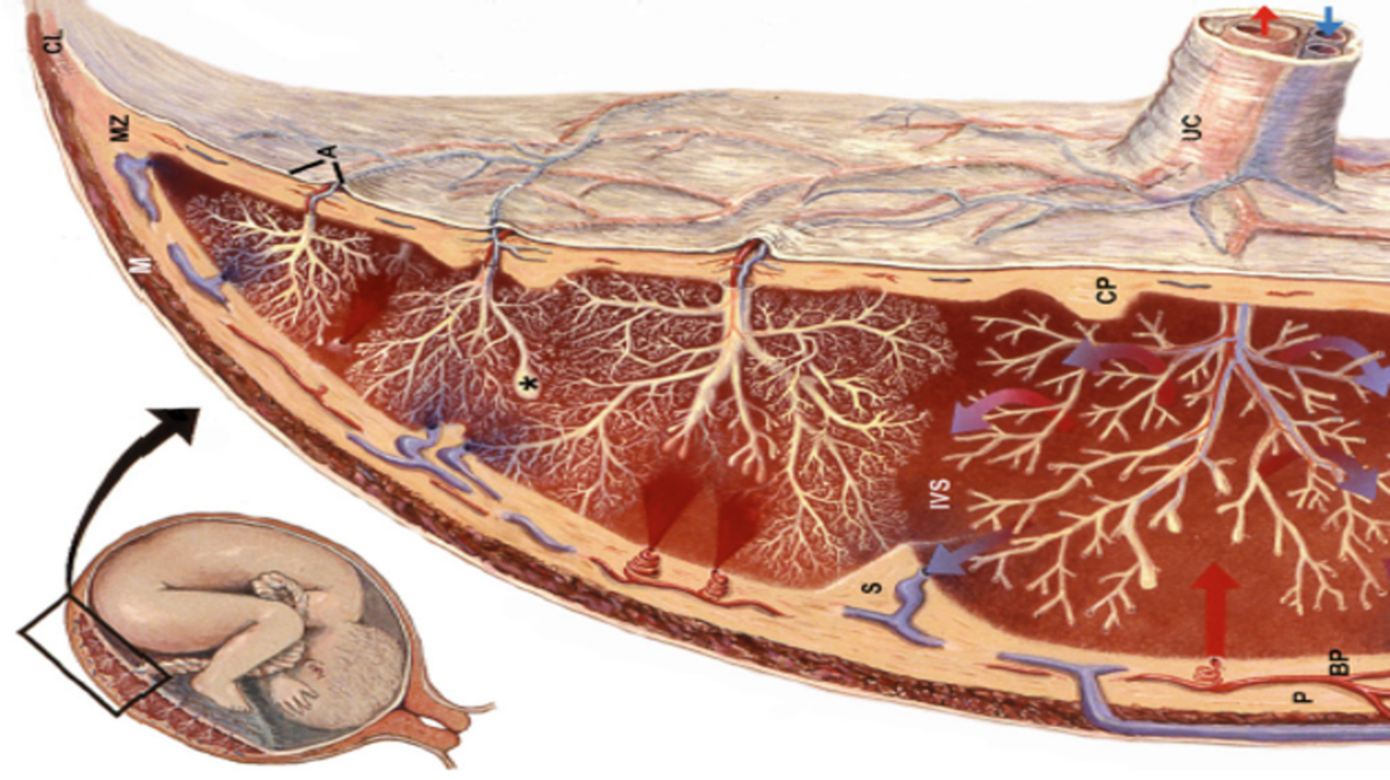
We aim to understand how placental signaling regulates fetal neurodevelopment and maternal adaptation to pregnancy, and how disruption in these processes contribute to major pregnancy complications. Specifically, our transdisciplinary team has been investigating the impact of opioid use disorder on placental development and function, as well as on fetal neural development, which is funded by the NIH HEAL Initiative. Additionally, our team is interested in the trafficking and function of trophoblastic exosomes, with the goal of identifying their target tissues and elucidating the mechanisms that maintain homeostasis within the maternal-placental-fetal ecosystem. Ultimately, we hope to spot early warning signs of problems to develop better tools to support the health of mothers and their babies.
Dr. Ouyang actively engages in research driven by team science across innovative projects that bridge basic and translational biomedical science, including:
- How the human placenta forms and functions, especially in pregnancies affected by opioid use or other health problems, such as perinatal depression, and
- How nanoscale small extracellular vesicles released by the placenta help the mother and baby "talk" to each other throughout the nine-month pregnancy.