
Our Research
Prematurity and Brain Development
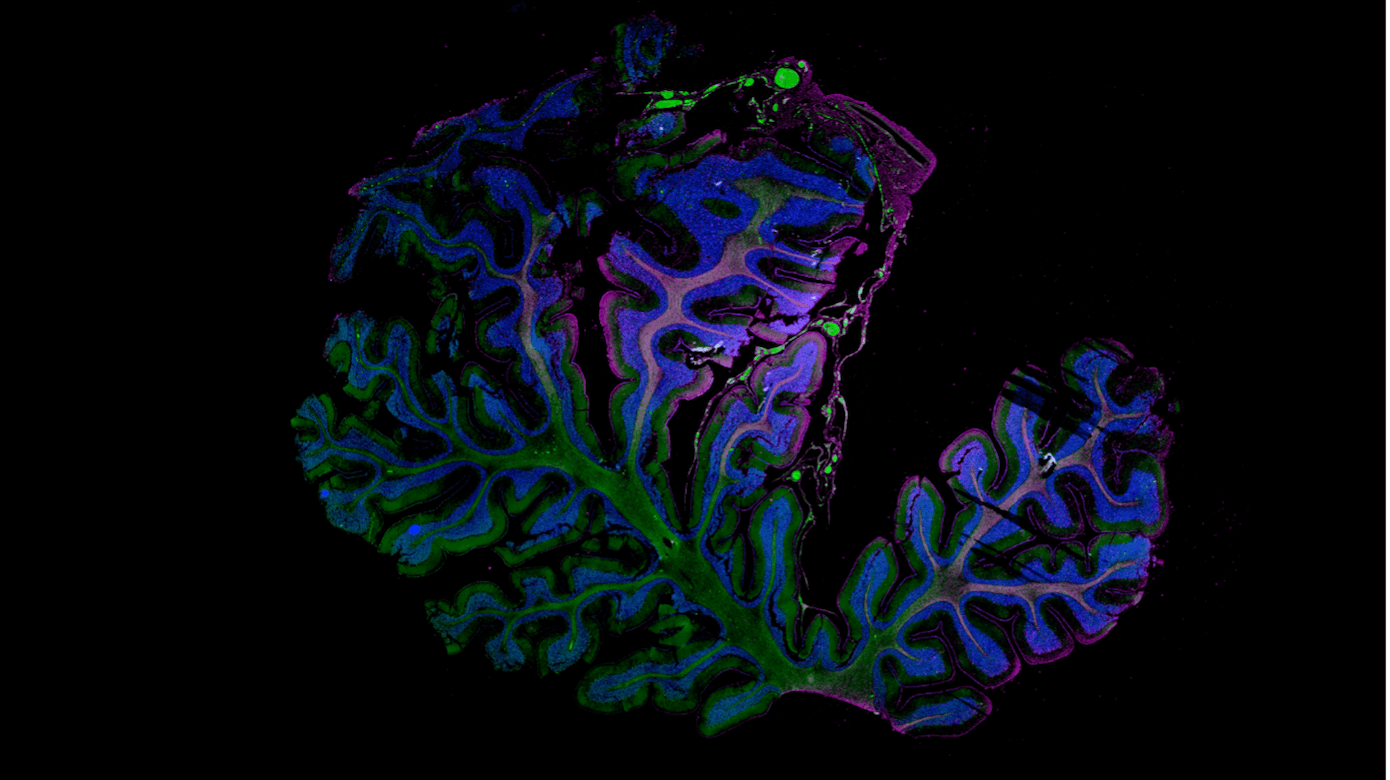
The Kratimenos Lab studies how premature birth disrupts brain development — and how to protect it. We take a translational approach, moving between human neonatal data and mouse models of maternal immune activation and hypoxia to map the damage prematurity causes in the developing brain: reduced cerebellar growth, arrested Purkinje and granule cell development, mitochondrial injury and inflammation. In our models, physiotherapy and enrichment improved motor and cognitive outcomes, pointing toward real therapies for preterm infants.
Prematurity-related Complications
Our work also follows prematurity into its most serious complications. In necrotizing enterocolitis (NEC), we found that injury reaches beyond the gut to the pons — a brainstem hub for feeding, breathing, and hearing. In sudden infant death syndrome (SIDS), which affects preterm infants more often, we study how early birth damages the cerebellar–brainstem circuits that restore arousal and breathing during stress. Across both areas, we are turning tissue-level discoveries into blood-based biomarkers clinicians can use at the bedside to guide prevention and neuroprotection.